Summary
In this paper, we'll explore what DAOs (Decentralized Autonomous Organizations) are, how Vermont's new laws support innovative digital projects and Vermont's recognition of DAOs as LLCs helps create a favorable environment for new technology. Let's dive into these topics to understand how Vermont is embracing innovation and technology in governance.
About DAOs
To talk about DAOs, first we need to comprehend what a DAO is: Strictly speaking, a DAO is a Decentralized Autonomous Organization (DAO). This term might seem complicated to understand, so let’s explain it as simple as possible with an example:
Imagine a DAO like a big, magical piggy bank that lots of people share. But instead of putting coins in it, they put in digital money. This special piggy bank isn't owned by any one person - it's run by everyone who puts their money in it. And here's the coolest part: the people who put their money in get to decide together how to use it!
They can vote on what projects or ideas to support, like building a new playground or helping animals. So, a DAO is like a big community savings account where everyone gets to decide how to spend the money together.
There are several types of DAOs, but we’ll dive into that part later. Now, let’s explore how Vermont, with its serene landscapes and forward-thinking policies, has embraced this revolution, and is becoming the epicenter for such digital collaborations.
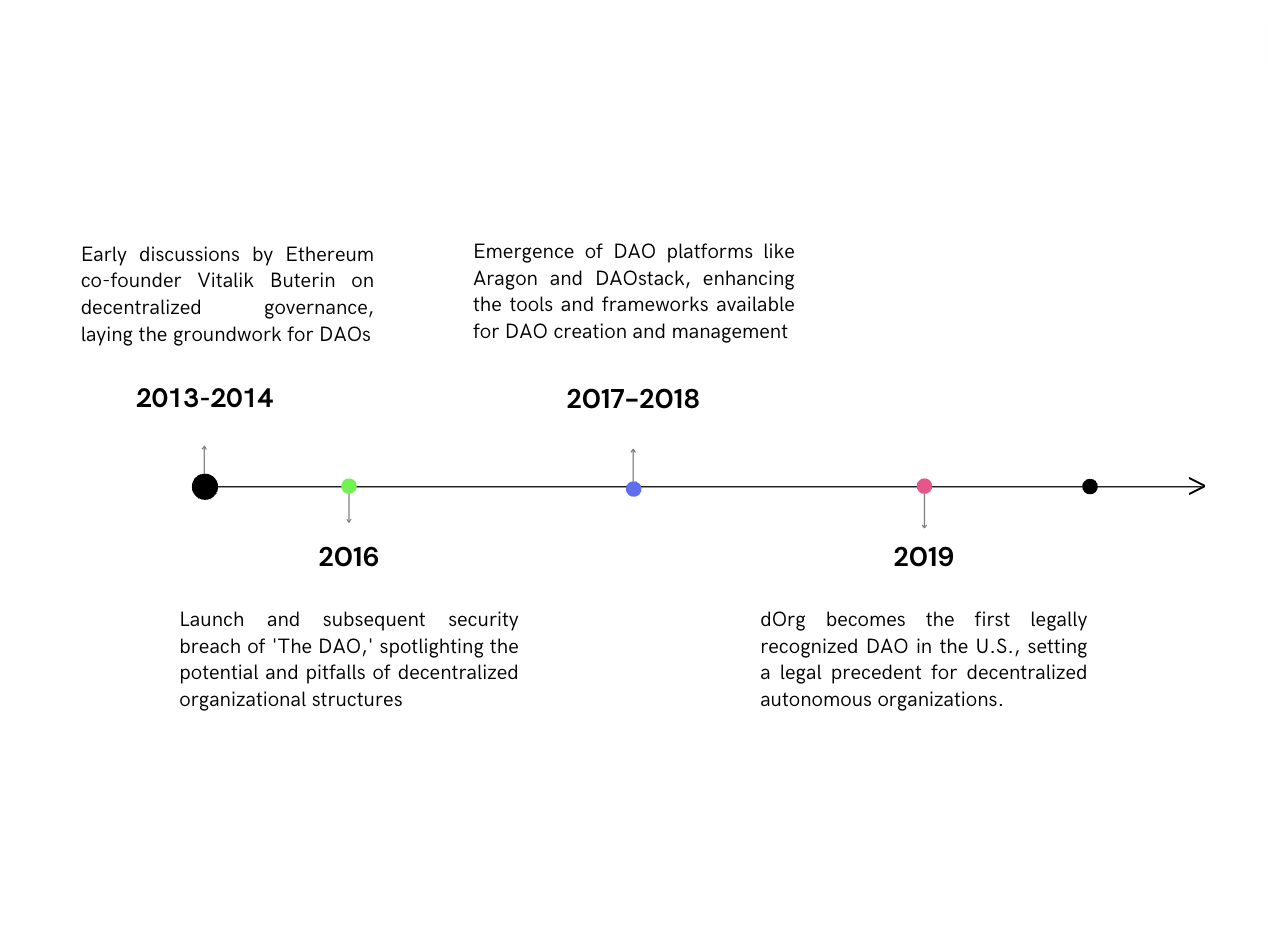
If you want to know more about DAOs, please explore more about it here
Vermont's Pioneering Legal Framework:
Vermont's approach to legalizing and accommodating DAOs has positioned it as a pioneer in the realm of decentralized governance, by offering a legal framework that recognizes DAOs as LLCs, Vermont has become a hub for innovation and experimentation in decentralized finance and organizational structures. The state has embraced blockchain technology and its willingness to provide legal recognition to DAOs demonstrates a forward-thinking mindset that fosters growth and innovation in the digital economy.
Why Vermont? An Example of Legal Innovation:
You probably are wondering what that legal framework is about, well: the legal figure of DAOs in Vermont is a Limited Liability Company (LLC). to understand how this can be beneficial for DAOs and other businesses, let’s again drop an example:
Think of a DAO as a modern twist on a traditional business structure, like a lemonade stand. In this analogy, the lemonade stand represents the DAO, where people come together to pool their resources and make decisions collectively. Now, running a lemonade stand with friends is great, but what if someone accidentally spills the lemonade or there's a disagreement about how to use the profits? That's where the idea of framing the DAO as an LLC comes in. Just like how a traditional business might choose to become an LLC for legal protection, a DAO can do the same.
By becoming an LLC, the DAO gains legal recognition and limited liability protection, meaning that individual members are shielded from personal liability in case of legal issues or financial losses. This adds a layer of security and legitimacy to the DAO's operations, making it more attractive for participants and potential investors. So, in essence, framing a DAO as an LLC provides a familiar and structured framework for its activities, similar to how a traditional business operates, but with the added benefits of decentralization and collective decision-making.
In summary, Vermont's legal approach to DAOs is important for both the state and decentralized organizations, as it fosters innovation, provides legal clarity, enhances investor confidence, promotes regulatory innovation, and nurtures a collaborative ecosystem for blockchain technology. By embracing DAOs, Vermont demonstrates its commitment to fostering a thriving digital economy and positioning itself as a leader in blockchain innovation.
Leading the Way: A State That Stands Out Among the Rest
You probably think that DAOs can get these benefits in other places of the country, right? Well…
In many other places in the US, DAOs may face challenges in obtaining the same legal benefits and regulatory clarity as they do in Vermont. This is primarily due to the lack of specific legislation or regulatory frameworks tailored to accommodate decentralized autonomous organizations. Without clear guidelines and legal recognition, DAOs may encounter uncertainty and legal risks when operating in these jurisdictions.
Overall, while some states may offer favorable business environments and regulatory frameworks for certain industries, they may not provide the same level of support and clarity for DAOs as Vermont does. As a result, Vermont remains the preferred option for DAOs seeking legal recognition and regulatory certainty in the United States.
Benefits for DAOs/LLCs, blockchain businesses and startups
If you want to register your DAO as an LLC, what benefits should you consider?
1. Favorable Legal Environment
Vermont has been at the forefront of blockchain and digital currency-friendly legislation in the United States. In 2018, Vermont enacted legislation to create a new entity known as a "blockchain-based LLC'' (BBLLC). This legal structure is specifically designed for businesses that utilize blockchain technology for a material portion of their business activities. This makes Vermont an attractive location for establishing a DAO that wants to operate with LLC protections.
2. Blockchain-Based LLCs (BBLLCs)
BBLLCs in Vermont can utilize blockchain technology for their internal record-keeping and management. This includes the use of blockchain for the maintenance of records such as the list of members, administrative roles, and other operational details. The flexibility in management structure and operational processes makes it conducive for DAOs that operate based on distributed consensus protocols.
3. Regulatory Clarity
The specific regulations around BBLLCs provide clarity and a detailed framework for operations, which can be advantageous compared to jurisdictions with less clear legal structures. This regulatory clarity can help in reducing legal and operational risks, particularly for innovative business models such as DAOs.
4. Privacy and Security
Vermont's legal structure allows for greater privacy compared to some other states. For instance, the details of the BBLLC's members or managers do not necessarily need to be public, which is beneficial for members who need anonymity but still want legal protections.
5. Attraction of Tech Talent and Innovators
Vermont's progressive stance on blockchain and its adoption of technology-friendly laws can attract talent and businesses looking for a supportive environment. This can create a community of innovators and tech-savvy individuals which can be beneficial for any new DAO or tech-based LLC.
6. Economic Incentives
While Vermont is known for its strict regulations in some areas, it also offers incentives that can be beneficial for small businesses and startups, such as potential tax advantages and grants for technology companies.
7. Quality of Life
Lastly, Vermont offers a high quality of life with its natural beauty, small-town charm, and tight-knit communities. For businesses looking to establish a physical presence or for entrepreneurs who value a balance between work and personal life, Vermont provides an appealing setting.
These elements make Vermont a compelling choice for entrepreneurs considering where to establish a DAO/LLC, particularly those who intend to leverage blockchain technology as part of their business model.
Case study: dOrg
dOrg provides web3 development services to projects seeking real-world impact. We’ve been operating as a DAO since 2019. We decided to register dOrg as an LLC because of all the benefits listed above. In May 2019 we incorporated as a Blockchain-Based Limited Liability Company. This wraps our on-chain components in an entity that can interface with legacy legal systems. Back then there existed very few blockchain-based organizations– let alone any with legal recognition of revenue.
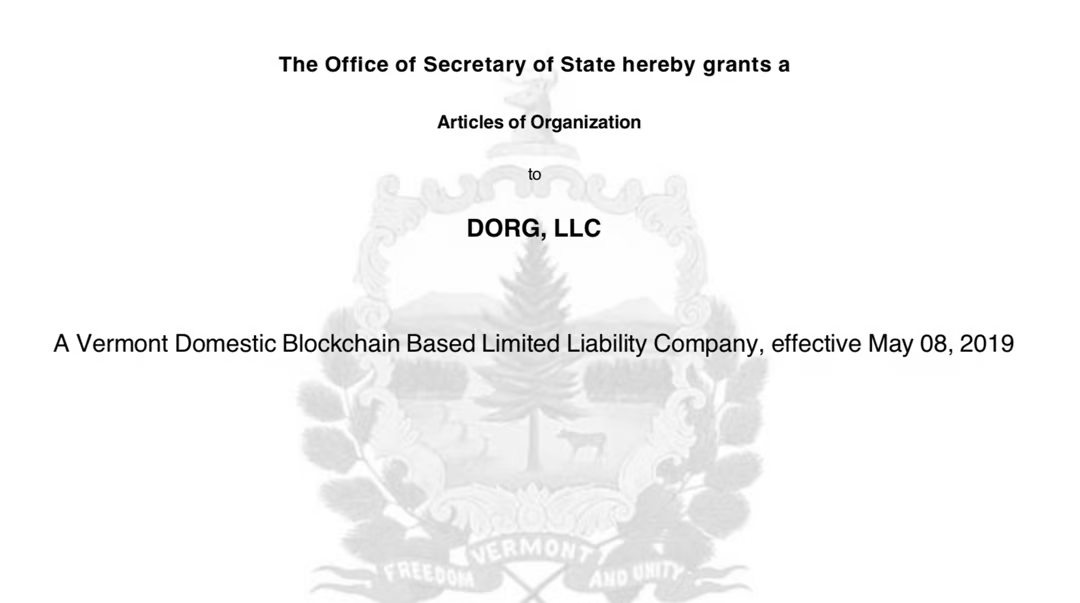
Learn more about dOrg here
Now that we went through the basics, it’s also important to find the coherence between the blockchain economy and Vermont.
The connection between the blockchain economy and Vermont, along with the advantages of incorporating blockchain into politics in Vermont, is a multifaceted topic that highlights how technology and governance can intersect beneficially. Here are some clear links and benefits:
Blockchain Economy and Vermont
Vermont was one of the first states in the U.S. to recognize the potential of blockchain technology, enacting laws that directly cater to blockchain initiatives.
Also, Official Institutions like the University of Vermont have engaged in blockchain research and education, which helps foster a knowledgeable community that can support and grow the blockchain ecosystem within the state.
By embracing blockchain technology, Vermont can attract investments from tech companies and startups looking to benefit from its friendly regulations. This could lead to more jobs and economic growth, making Vermont the right place for innovation in technology.
As Vermont becomes more welcoming to blockchain, it becomes a more appealing place for companies in this field. They like the clear rules and support they find here, which encourages them to set up or expand their operations in the state. This growth means more job opportunities in different areas related to blockchain technology.
As these companies come to Vermont, they bring expertise, talent, and resources that boost innovation. This not only helps the economy grow but also encourages collaboration between industry, universities, and government. Vermont could become known for its work in blockchain research and development.
Blockchain and Politics in Vermont: Future looks more transparent and more decentralized
Vermont's current blockchain regulation is poised to benefit the local economy, and looking ahead, blockchain holds potential for future improvements. It could offer citizens a better experience in public affairs down the road. Here are some speculative ideas for how this might unfold in the future:
Starting with the transparency and accountability of the state government, blockchain's immutable ledger can be used to record government decisions and transactions, ensuring they are accessible and unalterable once entered, which reduces corruption and increases trust.
Blockchain can also streamline governmental processes by reducing the need for intermediaries and decreasing paperwork and bureaucracy. For example, smart contracts could automate routine tasks and compliance checks, leading to more efficient government operations, but we could discuss this later in another chapter of this series.
Implementing blockchain in voting systems can address security concerns while maintaining voter privacy and ensuring the integrity of elections. This advantage can be seen as something very far away from real life, but it’s something totally possible and that can potentially improve citizen’s experience while voting and their involvement in public affairs.
Thanks to other voting systems that exist within the ecosystem, it is proven that blockchain-based voting allows for secure, transparent, and tamper-proof recording of votes, potentially increasing voter turnout due to its convenience and reliability.
Another idea is related to public records management, blockchain technology can revolutionize how public records like land registrations, birth certificates, and other legal documents are managed. Using blockchain can make these records tamper-resistant and easily verifiable, which reduces fraud and improves service delivery to citizens.
The incorporation of blockchain into politics can foster a more participatory approach to policy development. With tools like DAOs, citizens could potentially have more direct input into certain legislative processes, leading to policies that better reflect the populace’s desires.
These connections and advantages show how Vermont's embrace of blockchain technology could transform not just its economy but also its political landscape, enhancing both efficiency and democratic engagement.
Vermont is not just playing by new rules; it is setting them. By offering a legal haven for DAOs and embracing blockchain technology, Vermont positions itself at the forefront of digital and decentralized innovation. This commitment not only enhances its economic landscape but also paves the way for a future where technology and governance evolve hand in hand. As other states observe and learn, Vermont's blueprint for a blockchain-friendly environment could inspire a nationwide or even global adaptation, fostering a new era of decentralized and democratic governance.
